Turn narrative into space
I wanted the story to be experienced through movement, framing, and architecture rather than dialogue alone.
Project 03 · Spatial Storytelling
A narrative space that turns memory, grief, and racing into a walkable emotional journey.
Overview
This project began with a question: what if memory could become a place? I designed a fictional museum experience where a visitor encounters an AI machine that transforms three drawings into music. That interaction becomes a bridge to a past world shaped by a son’s memory of his late father.
Story Summary
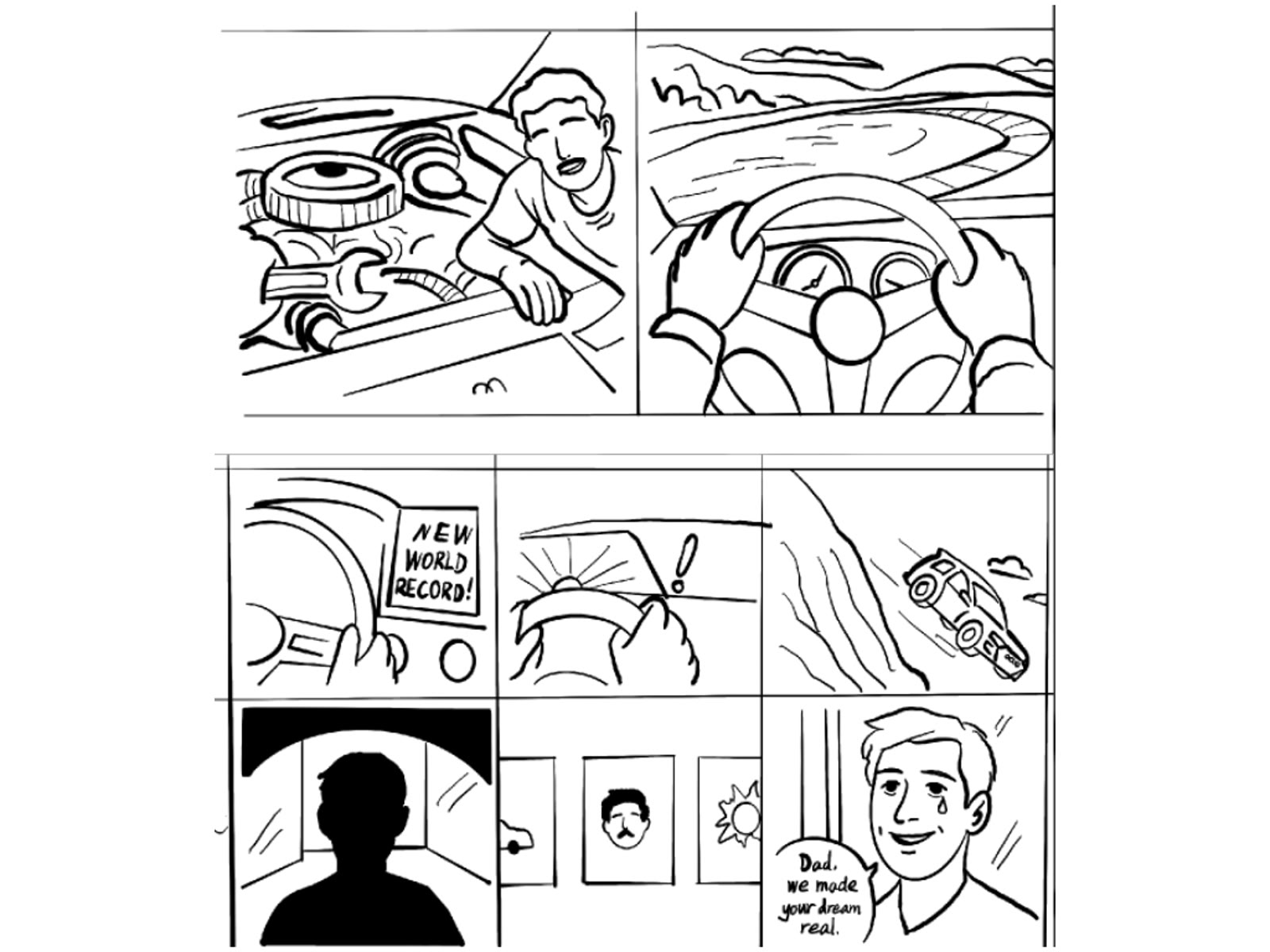
In the Fantasy Museum, a visitor discovers an AI machine that turns drawings into songs. After drawing his late father, a race car, and the sun, he is pulled into a memory-like world where he meets his father at the age of twenty-two. Together they chase a racing dream, break a world record, and return not with a trophy, but with something more lasting: remembrance, closure, and an uncrowned legacy.
Design Intention
I wanted the story to be experienced through movement, framing, and architecture rather than dialogue alone.
The visitor journey moves from curiosity to nostalgia, tension, and release.
The goal was not realism, but emotional credibility — making memory feel like a place someone could physically enter.
Journey Map
Curiosity
Recognition
Immersion
Tension
Closure
Process
The project became stronger not by adding more story, but by making the experience clearer, more visual, and more grounded in the visitor’s point of view.
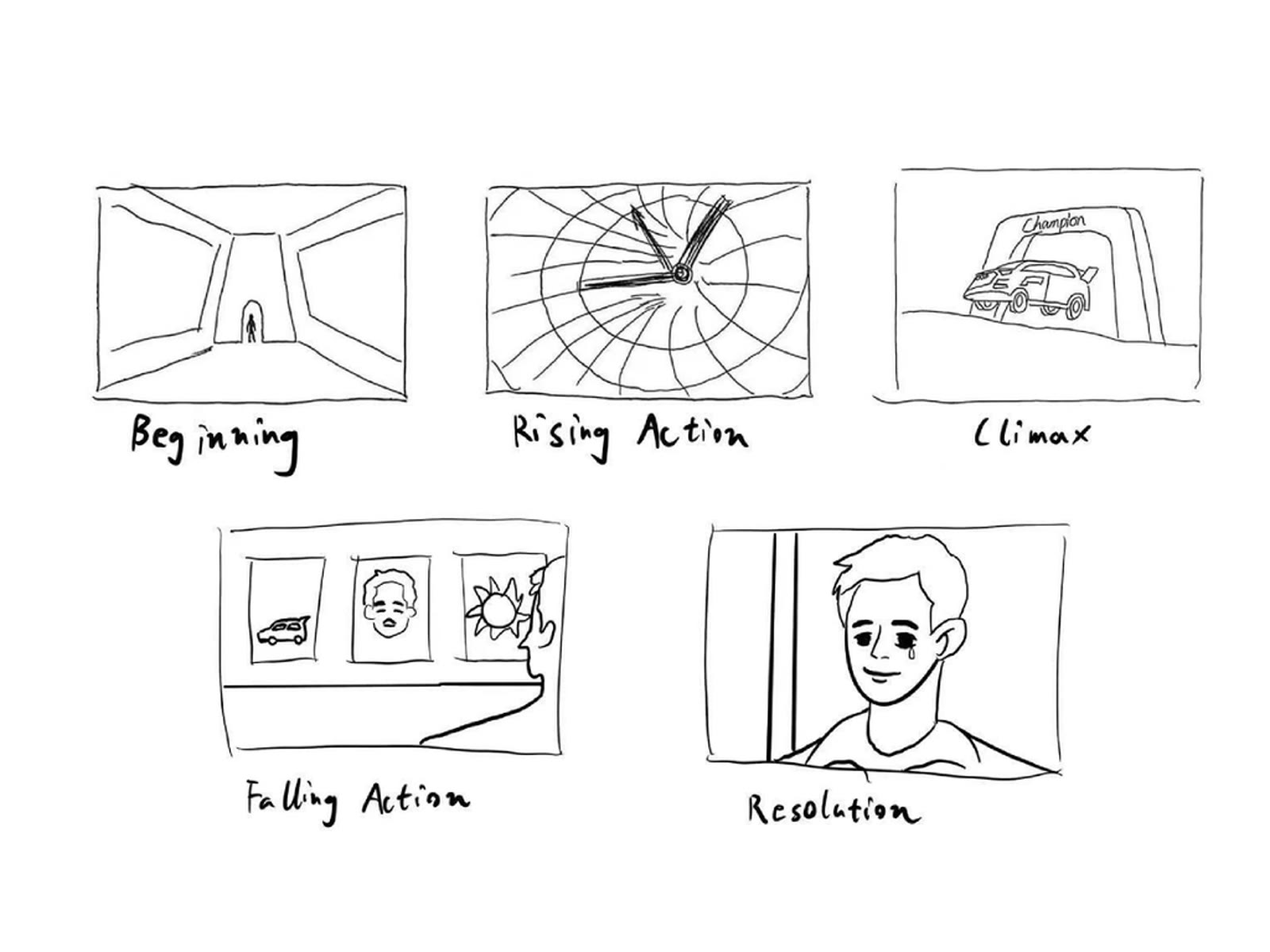
Storyboard 1
I first reduced the narrative into five key beats: beginning, rising action, climax, falling action, and resolution. This helped define the overall rhythm before I started building scenes.
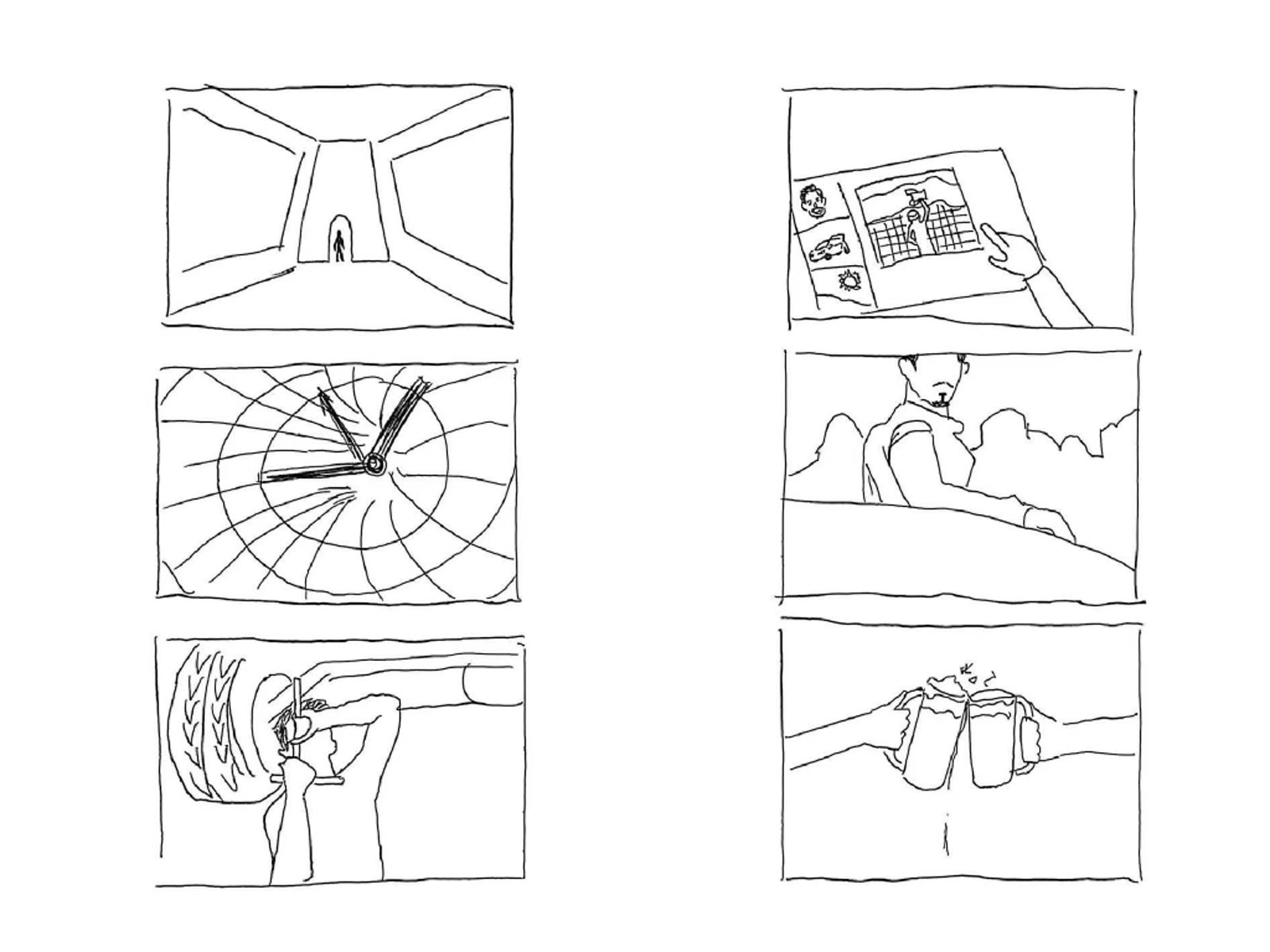
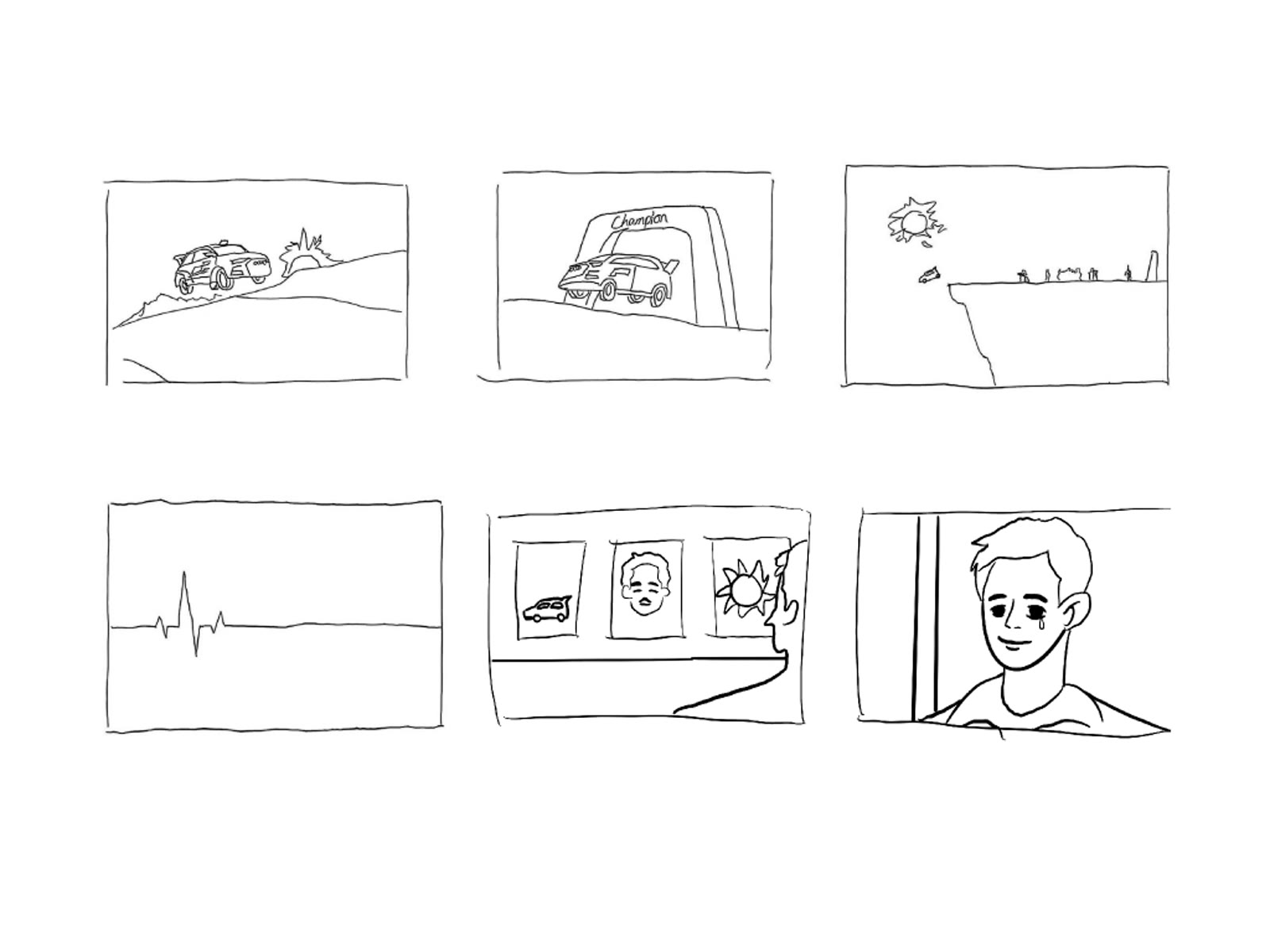
Storyboard 2
I then expanded the story into smaller beats to clarify pacing, transitions, and the sequence of events. At this stage, I focused on how the story would unfold visually from one moment to the next.
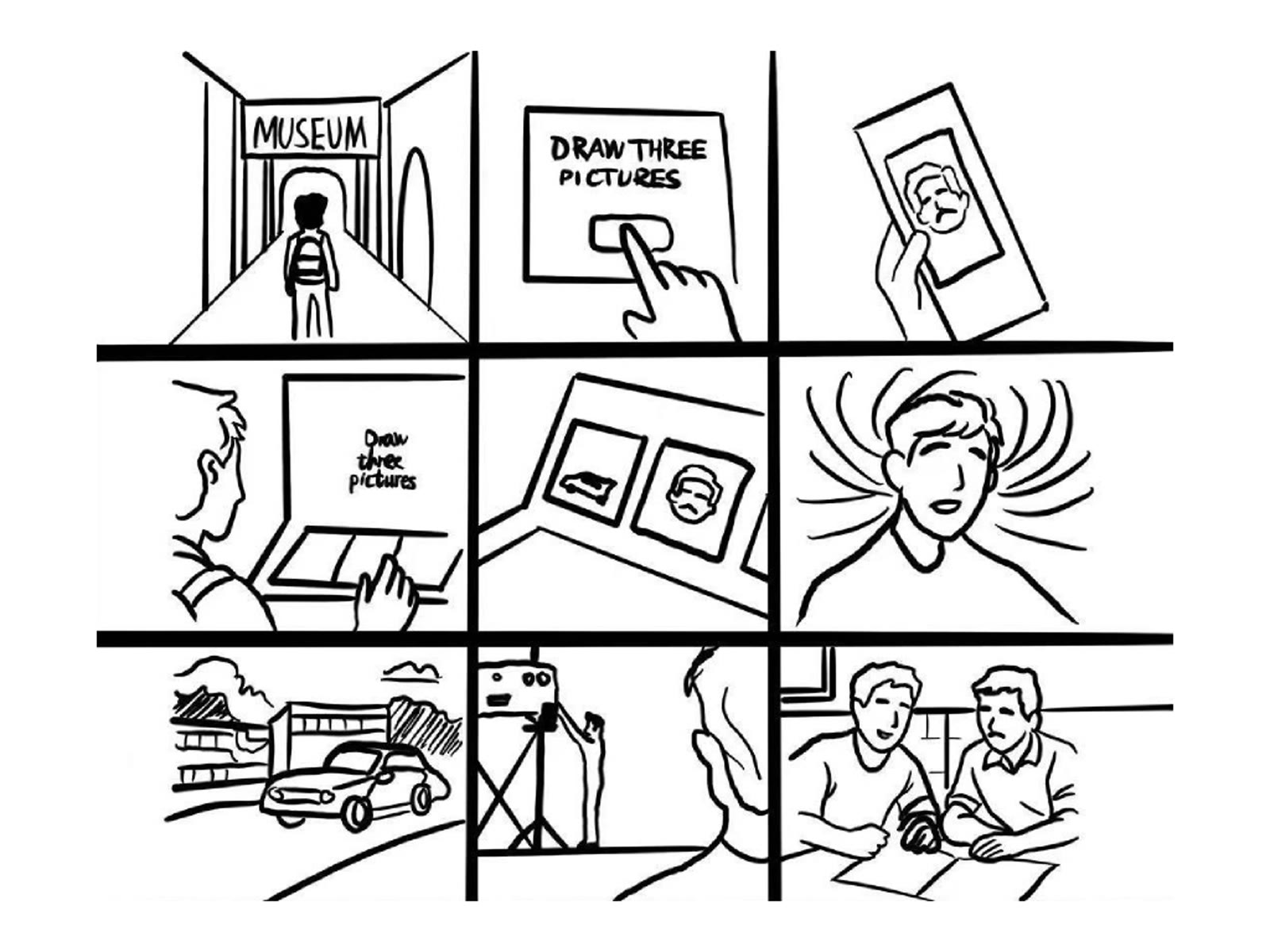
Storyboard 3
The final shift was rebuilding the story in first person. This changed my focus from writing a story to designing an experience — thinking about what the visitor sees, feels, and moves through.
Twine Prototype
Before translating the project into a 3D environment, I mapped the story as a Twine sequence. This helped me test narrative clarity, pacing, and first-person progression without committing too early to form.
3D Environment
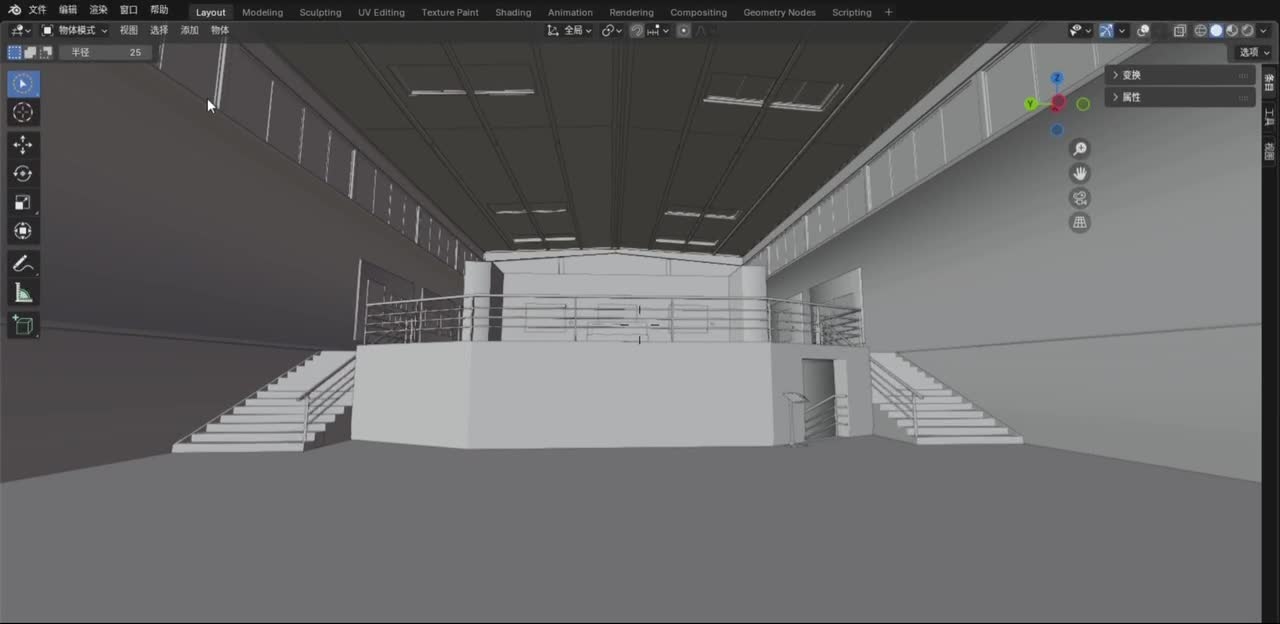
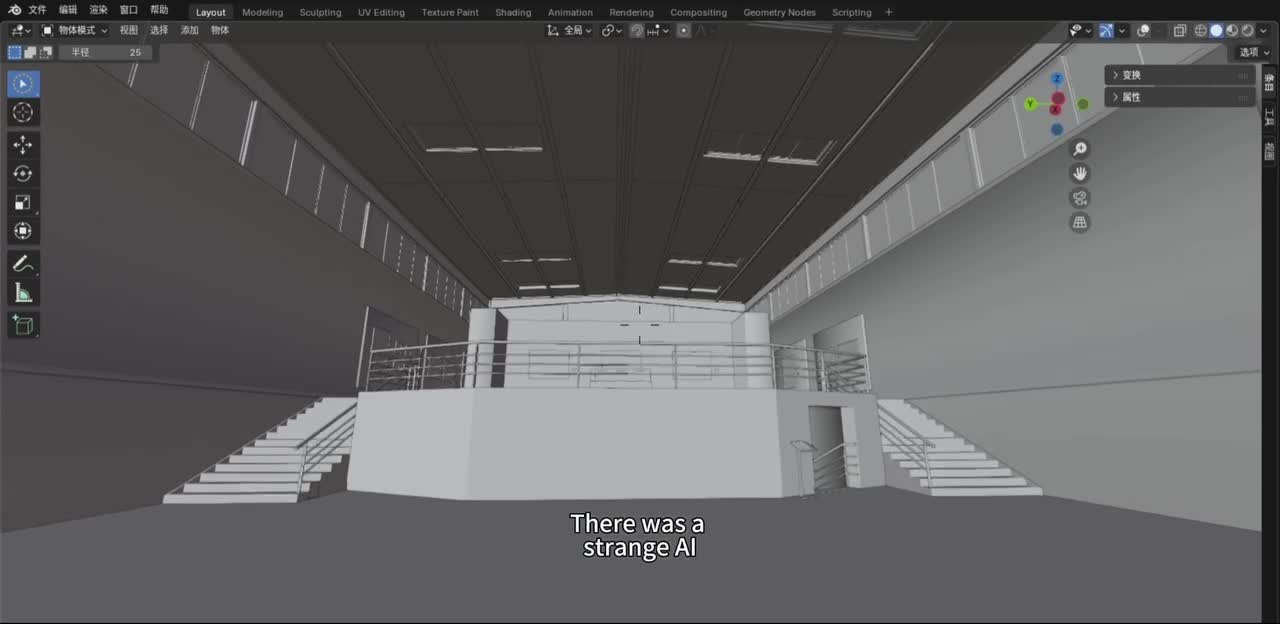
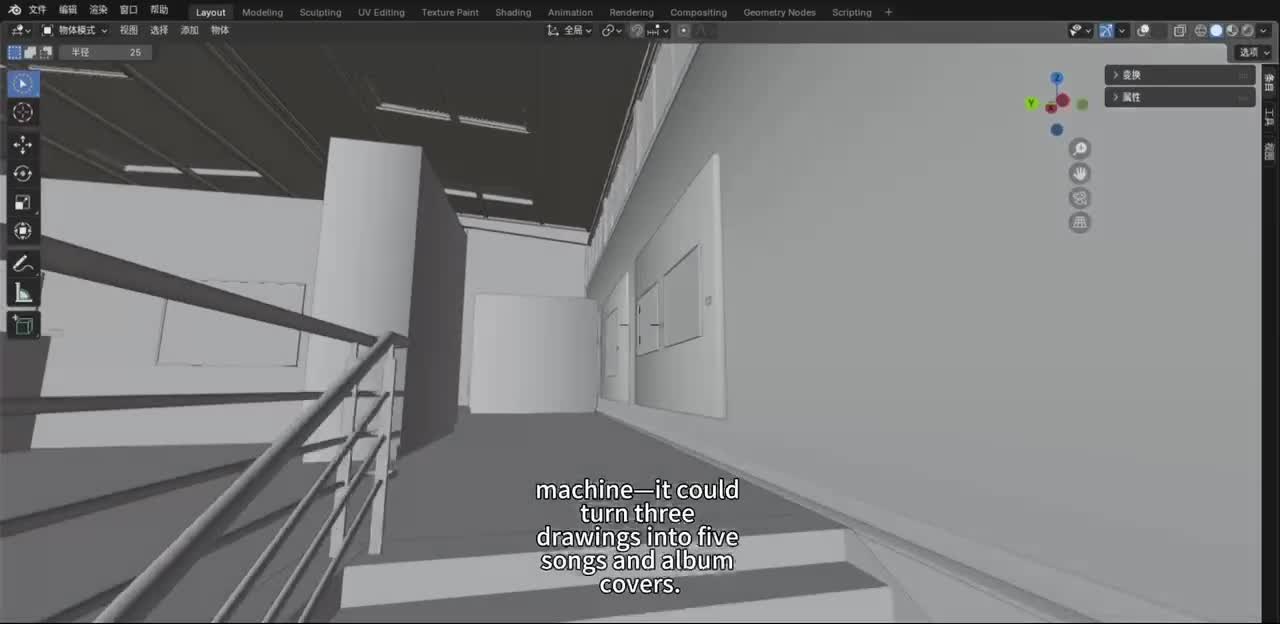
The museum was designed as a sequence of emotional spaces. Each location carries a different state of mind, while the transitions between them allow the visitor to shift emotionally before entering the next scene.
Final Walkthrough
This final walkthrough presents the visitor moving through the full story world from beginning to end. Without dialogue, the project relies on movement, framing, and atmosphere to communicate emotion.
Reflection
Strong emotional arc, clear narrative sequence, and a final walkthrough that communicates atmosphere effectively.
Spatial storytelling depends on transitions as much as major scenes. Rebuilding the story from visitor POV made the project much stronger.
I would push the environmental cues further through sound, lighting shifts, and a more interactive version beyond a linear walkthrough.
Sometimes design can bring back what we’ve lost — even just for a moment.