Goal 01
Portable
A compact body intended to feel easier to carry and easier to live with.
Student Product Design Project
A mouse concept shaped through prototyping, finishing, and digital rebuilding.
This case study keeps the early research and rough models brief, and puts the emphasis on the two strongest outcomes: the finished prototype and the final digital rebuild.
Overview
PRO G explores a quieter product language than many performance-driven mice. The goal was to shape a mouse that feels more portable, more comfortable, and more visually restrained through making, not only through rendering.
Goal 01
A compact body intended to feel easier to carry and easier to live with.
Goal 02
The body was adjusted by hand through repeated changes to height, grip, and proportion.
Goal 03
The final outcome aims for a calmer, more sellable form rather than an aggressive one.
Research
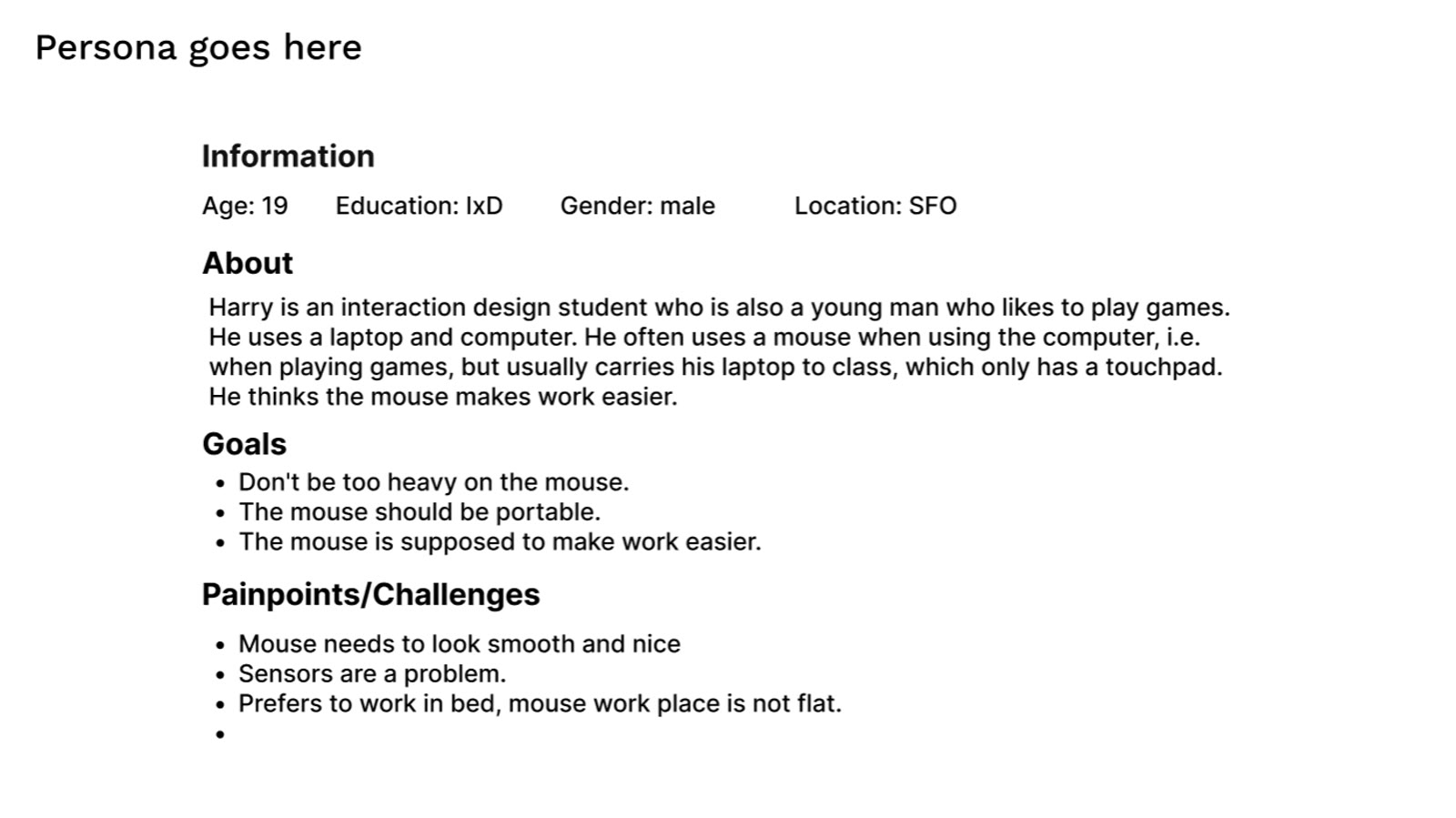
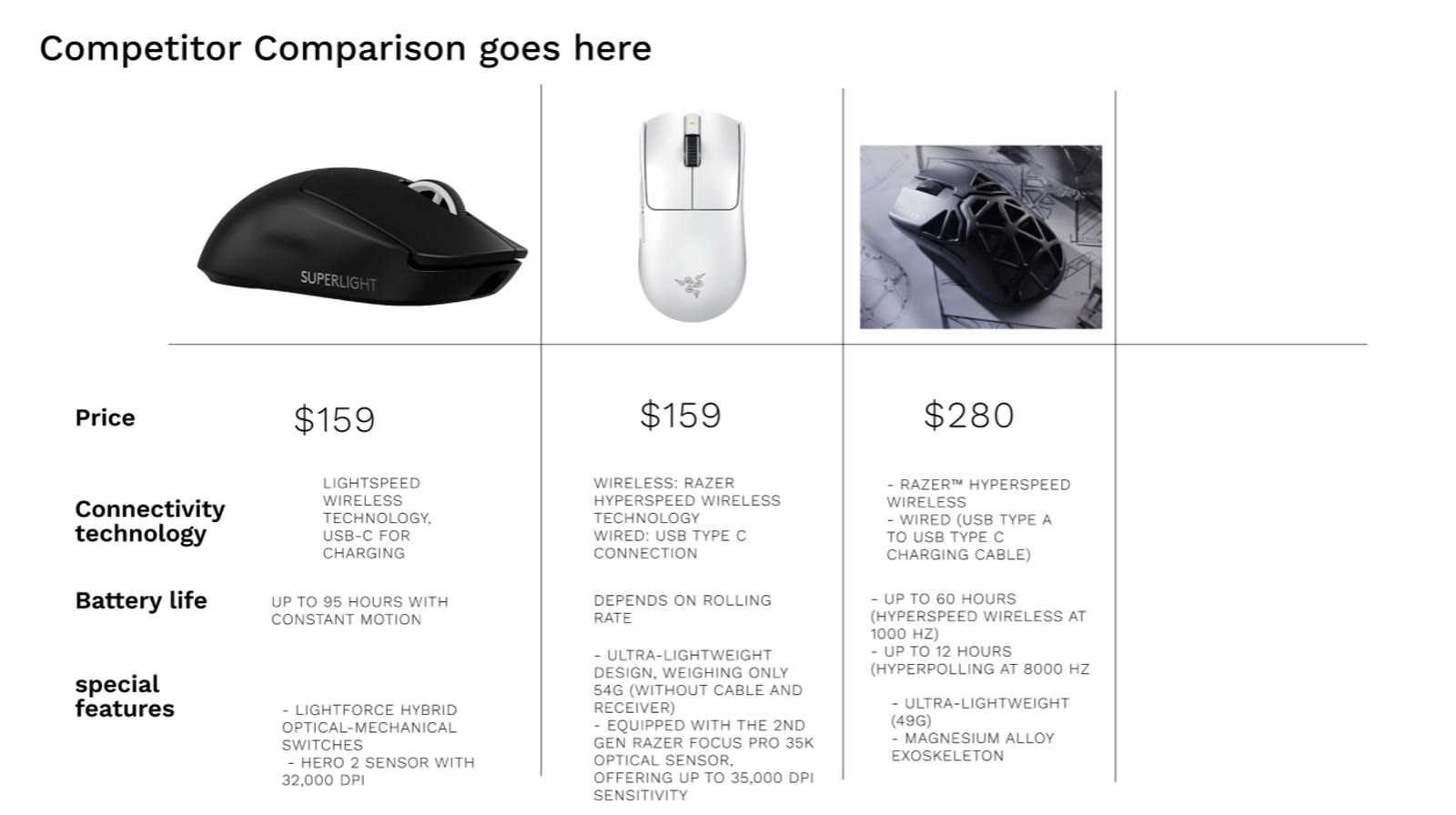
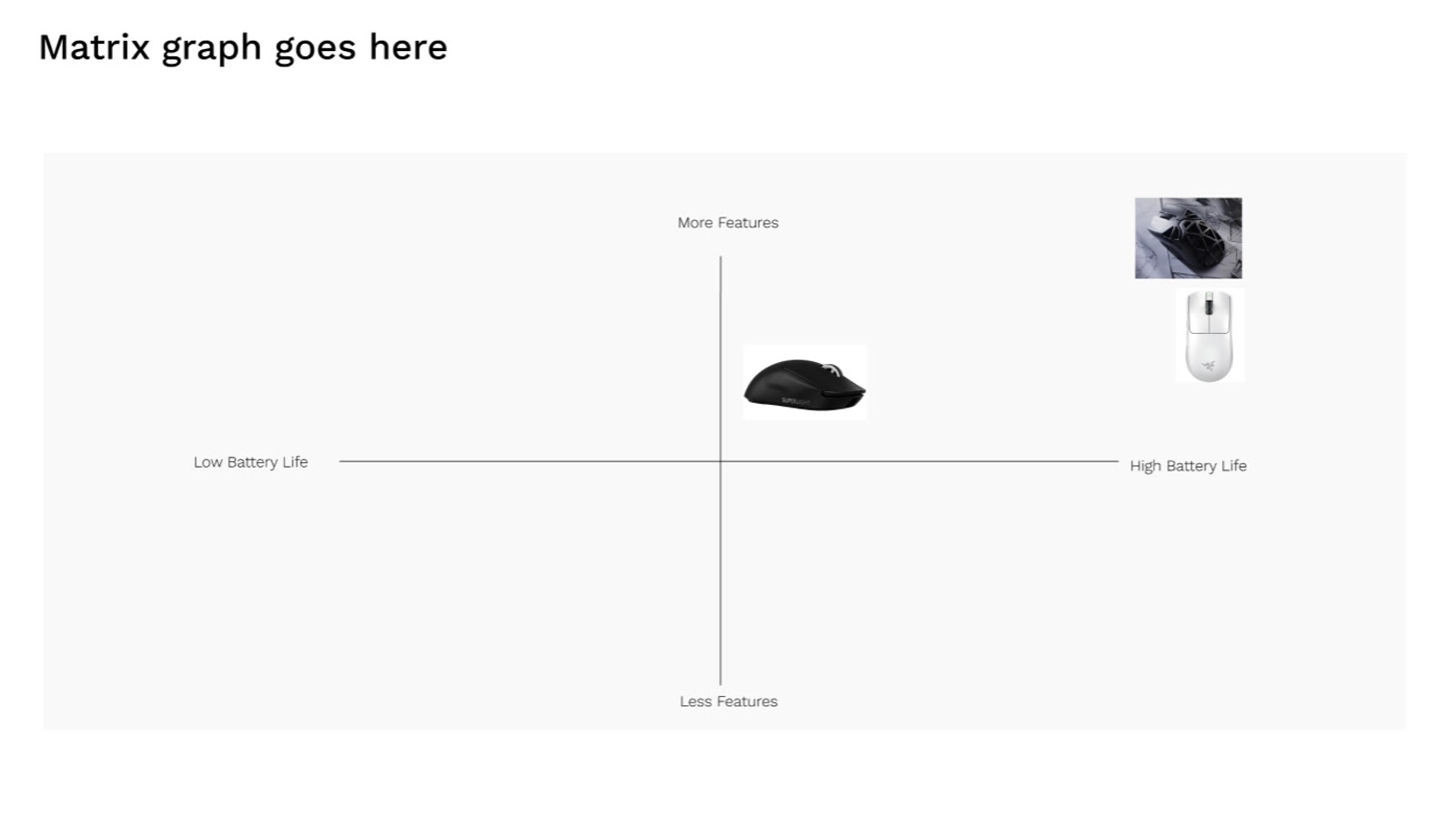
The research phase stayed intentionally lightweight. It was enough to define the user, compare the market, and set three priorities: portability, comfort, and a cleaner visual form.
Process
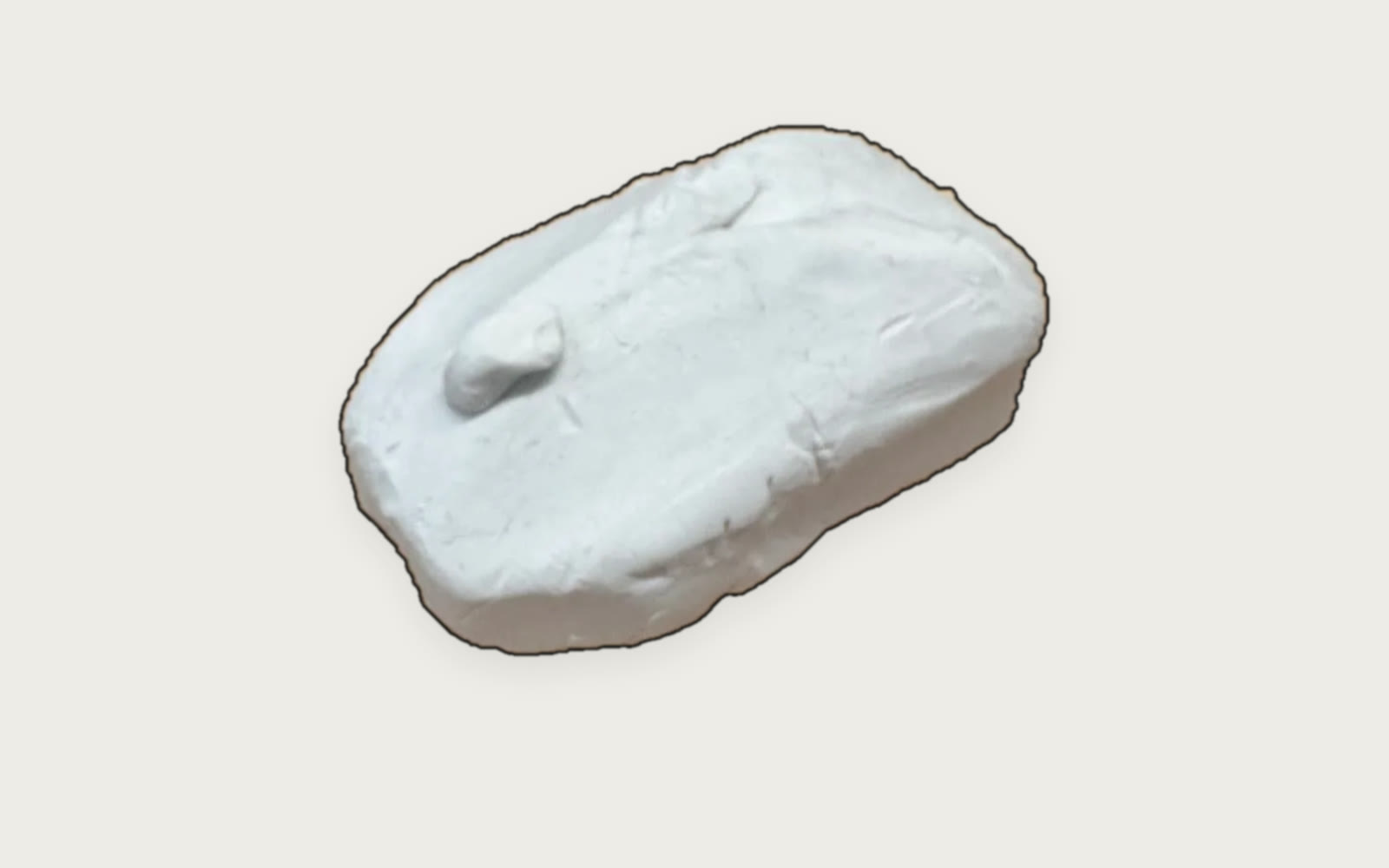
The rough models were useful, but they are not the hero of the project. They are shown here as checkpoints that helped reduce the height, simplify the body, and move the concept toward the final result.
Sketch
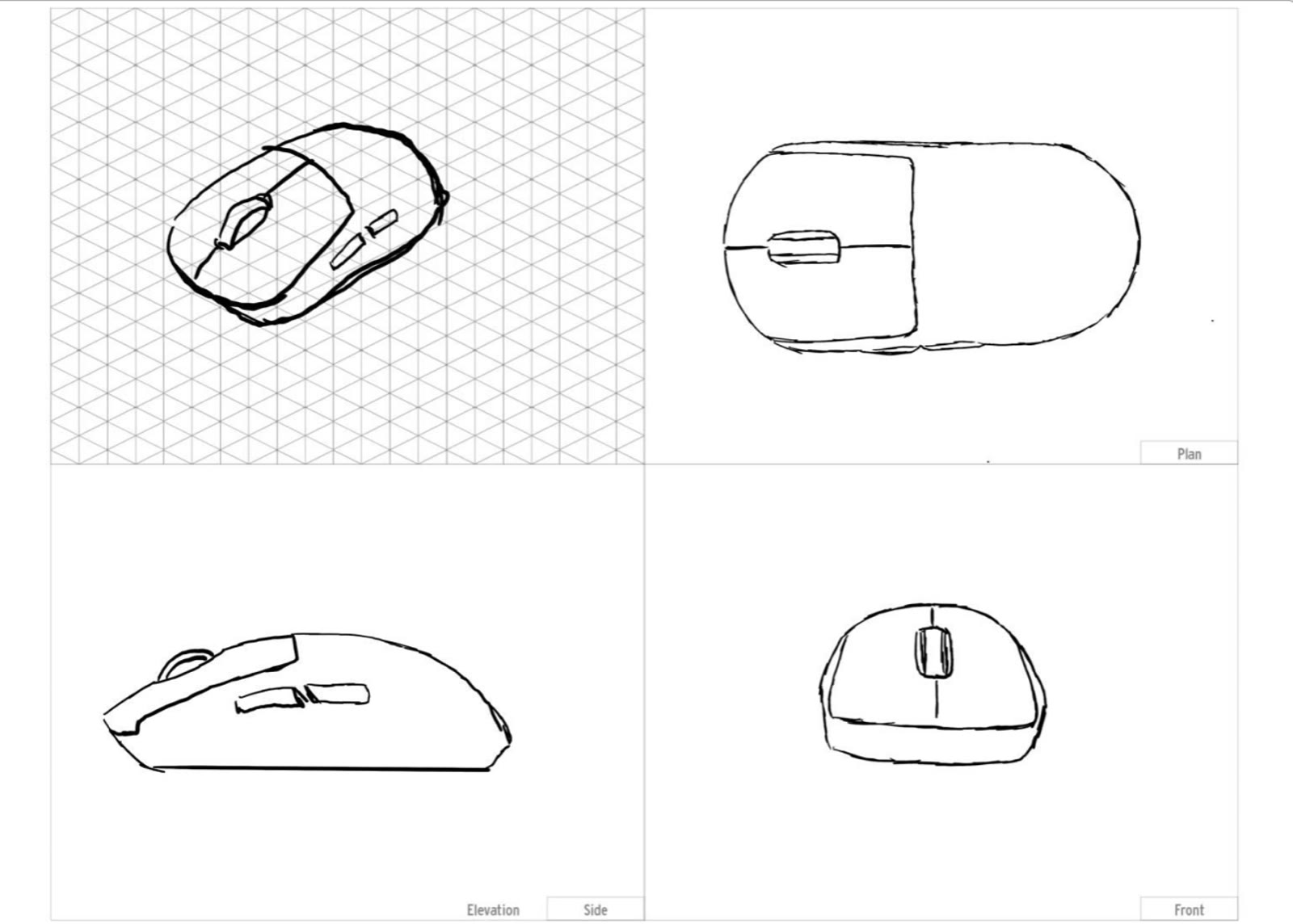
Early sketches were used to test silhouette, button placement, and overall proportions before moving into physical form studies.
Prototype
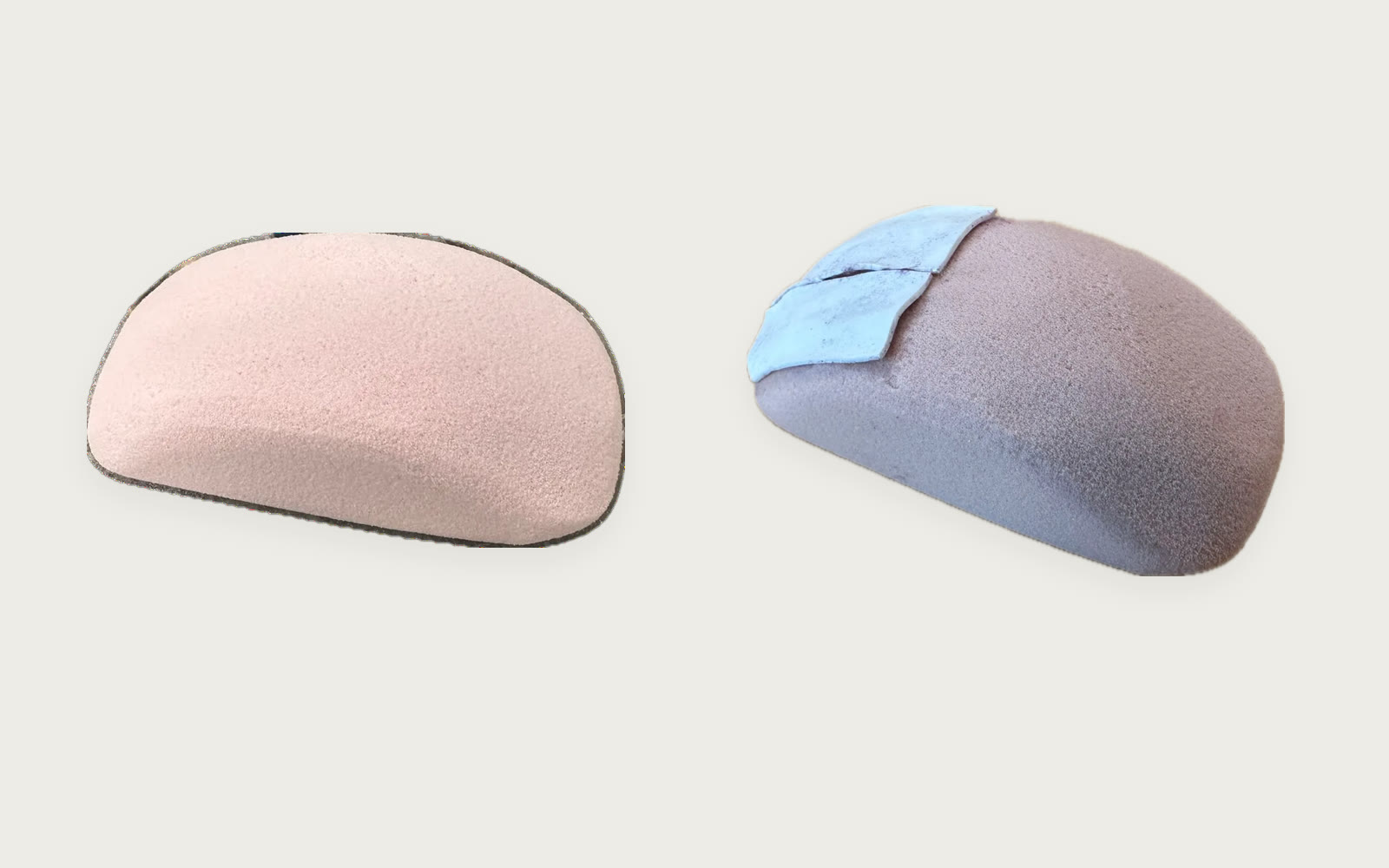
Earlier feedback pointed to a form that felt too large and too high at the back. That led to a lower, cleaner, and more restrained final shape.
Final Prototype
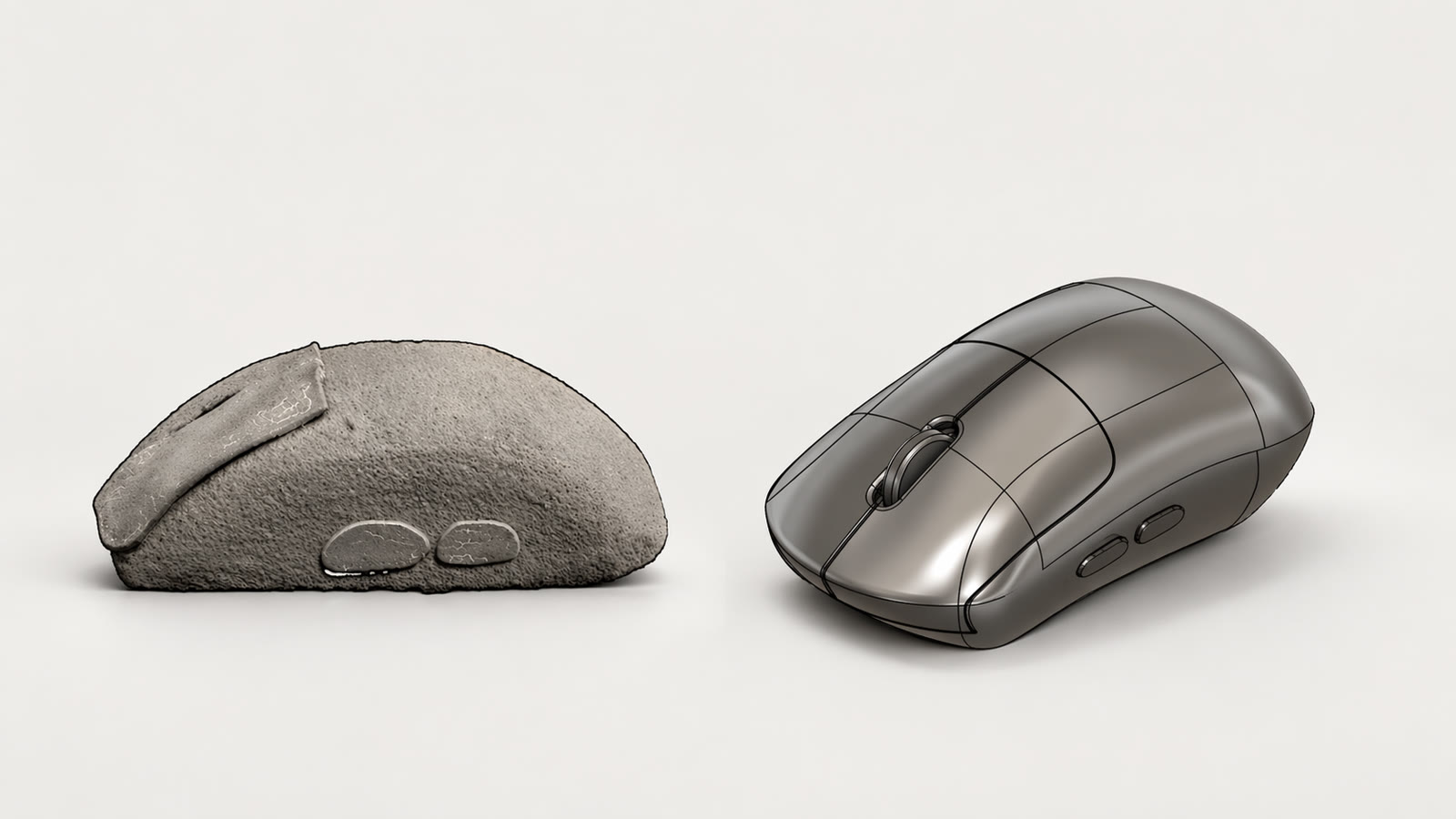
After revising the proportions, I developed a more resolved prototype through shaping, sanding, and surface finishing.
This stage made the concept feel much closer to a real product and helped the design move beyond an early study model into a more complete physical outcome.
Shell / Branding
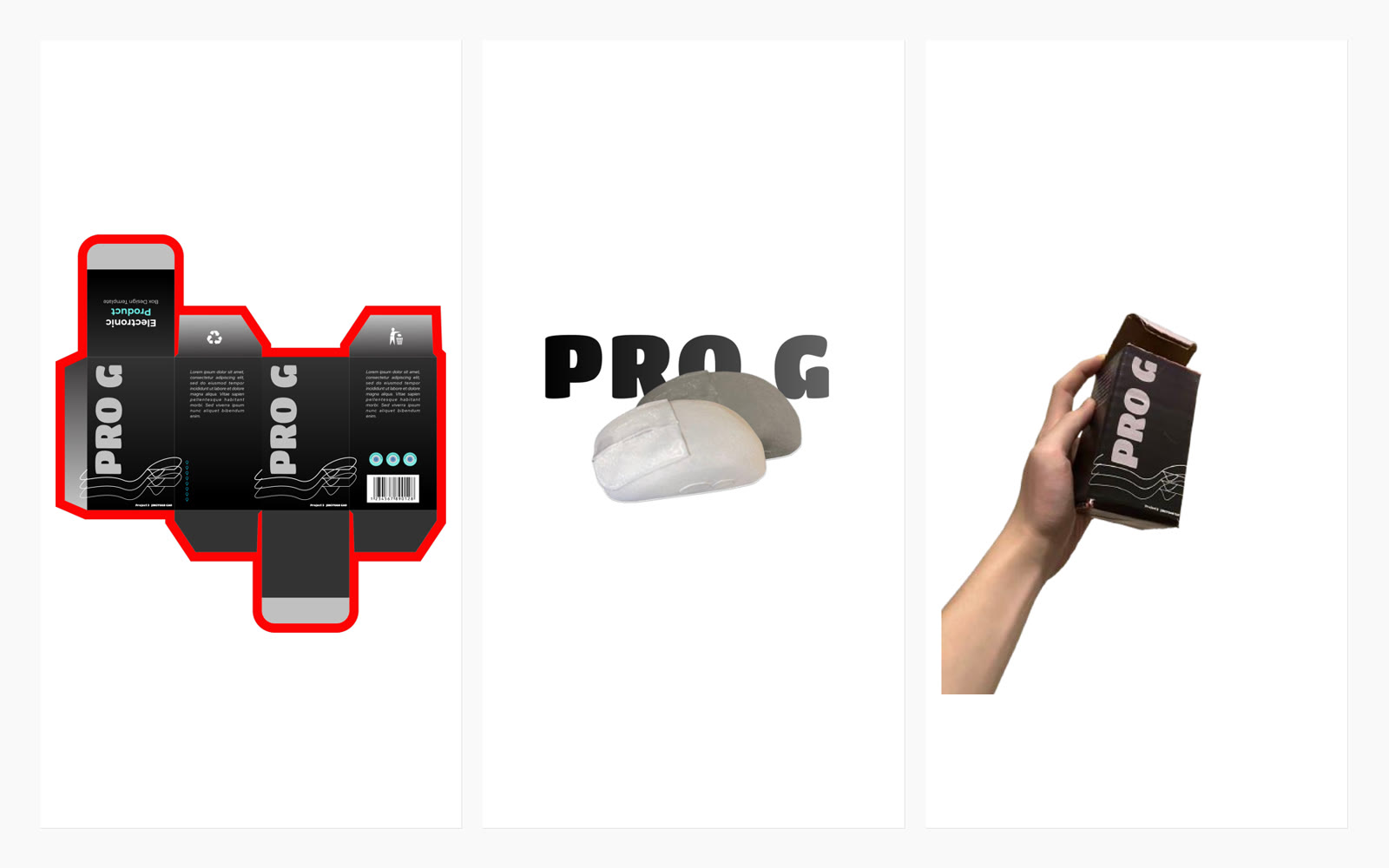
Once the final prototype felt more resolved, I extended the project into shell development, poster design, and packaging presentation.
This helped frame PRO G as a fuller concept rather than only a physical form study, giving the project a clearer visual identity and presentation language.
3D Model
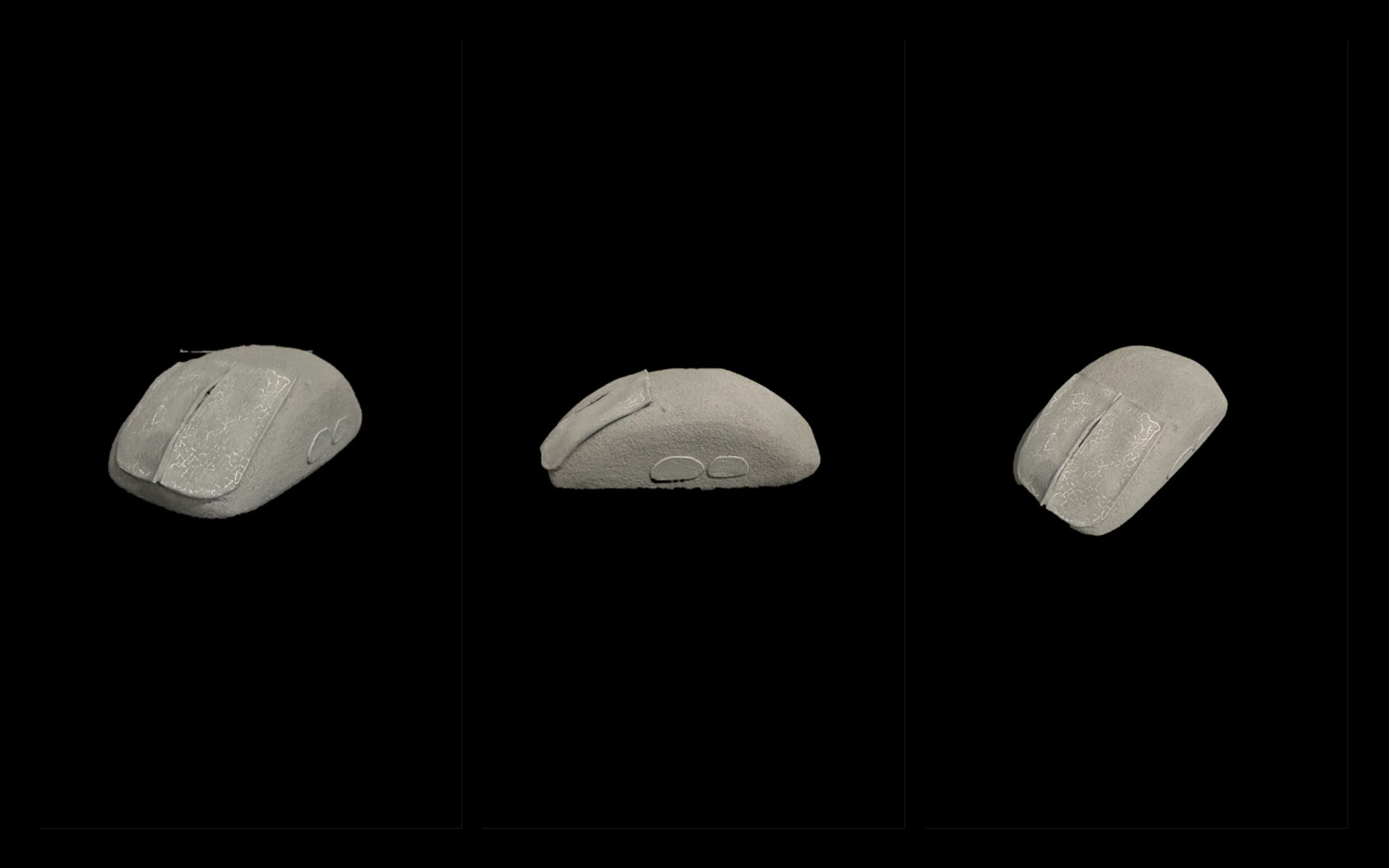
Rebuilding the mouse digitally made the geometry more precise and allowed the design to be presented more clearly from multiple angles.
The 3D model also helped confirm the final proportions and made the overall form feel more consistent, controlled, and ready for presentation.
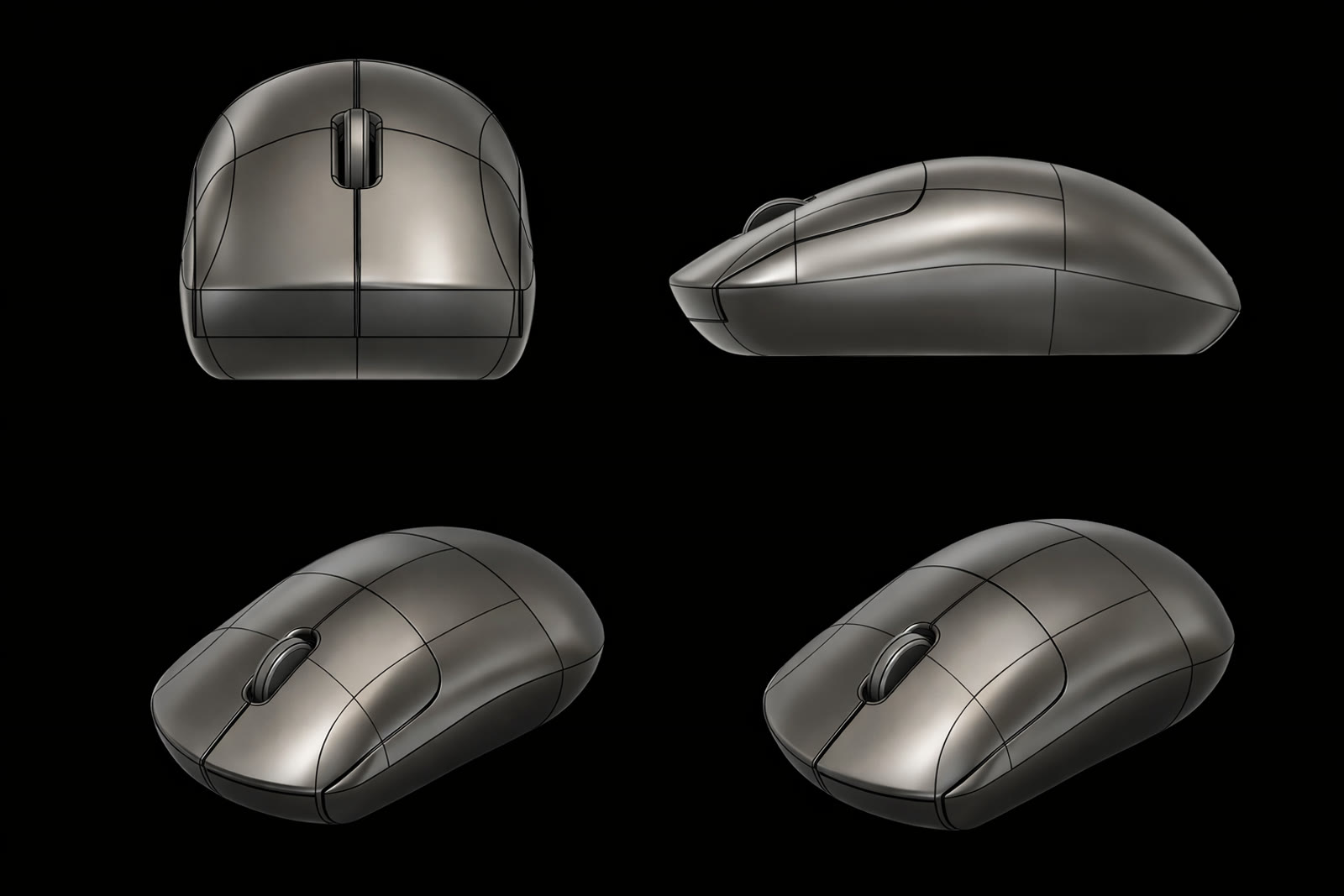
The strongest improvements came from simplification. Lowering the form, cleaning the silhouette, and rebuilding the final version digitally made the concept feel more coherent and more convincing.